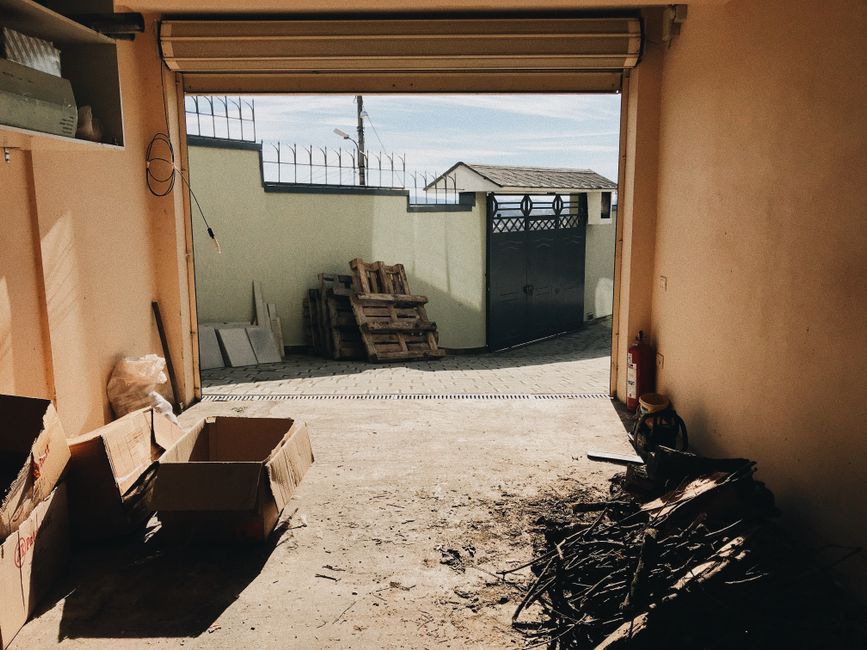
House clearance case: Garage removal near Heathrow, Cranford
If you are dealing with a cluttered garage in Cranford, especially near Heathrow where space, access and timing can all feel tighter than usual, this kind of clearance can become a bigger job than it first looks. A proper house clearance case: Garage removal near Heathrow, Cranford is not just about lifting old boxes out and calling it a day. It is about planning the removal sensibly, protecting the property, sorting reusable items, and making sure waste is handled in a way that is tidy, lawful and efficient.
In practice, a garage clearance often sits somewhere between a domestic clear-out and a specialist waste removal job. One week it is a box of damp tools, a broken treadmill and a few paint tins; the next it is packed floor-to-ceiling with furniture, garden waste, renovation leftovers and "things I'll sort later" from three different years. Sound familiar? This guide breaks down how a garage removal case works, what to expect, where the risks are, and how to make the whole process smoother from the start.
For homeowners and landlords in Cranford, the aim is usually simple: clear the garage safely, recover usable space, and avoid the stress of doing heavy lifting, sorting and disposal yourself. If the garage is part of a wider property clear-out, it may also make sense to coordinate with a broader house clearance service or, where the items are mostly storage and overflow, a more focused garage clearance. Either way, a structured approach saves time and, frankly, a lot of headaches.
Table of Contents
- Why this kind of garage clearance matters
- How the clearance process works
- Key benefits and practical advantages
- Who this is for and when it makes sense
- Step-by-step guidance
- Expert tips for better results
- Common mistakes to avoid
- Tools, resources and recommendations
- Law, compliance, standards and best practice
- Options and comparison table
- Case study example
- Practical checklist
- Conclusion
- Frequently asked questions
Why House clearance case: Garage removal near Heathrow, Cranford Matters
A garage can quietly become the most overlooked space in a home. It starts with one bike, then a few spare chairs, then a stack of old cardboard boxes, and before long you have a room that stores everything except the car. In a busy area like Cranford, near Heathrow, that matters more than people think because access, parking and turnaround time can be awkward if the job is left until the last minute.
There is also a practical side to it. A cluttered garage often contains mixed materials: metal shelving, old furniture, broken appliances, wood, garden trimmings, DIY offcuts and items that may need special handling. Not every item can go straight into a skip or be carried away casually. Some things can be reused, some need separating, and some require careful disposal. That is why a proper clearance process is worth doing properly the first time.
For many households, the garage is the "buffer zone" of the home. It stores seasonal items, tools, sports kit, and all the bits that do not fit neatly elsewhere. So when it needs clearing, the task often reveals other issues too: moisture damage, vermin-prone cardboard, broken furniture, or forgotten items from a move years ago. It can feel a bit overwhelming. Truth be told, that is normal.
It also matters from a property-value and usability standpoint. A clean garage can become a secure storage area, a workspace, or simply somewhere you can park again. For landlords and sellers, it improves presentation. For families, it reduces day-to-day friction. Small change on paper, but a big quality-of-life shift in real life.
Expert summary: A garage clearance is most successful when it is treated as a sorting-and-removal project, not just a lifting job. The best results usually come from planning access, deciding what stays, separating reusable items, and using a responsible clearance route for the rest.
How House clearance case: Garage removal near Heathrow, Cranford Works
The process is usually more straightforward than people expect, but it still benefits from a clear sequence. In a typical garage removal case, the aim is to move from "full of everything" to "empty, swept and usable" without causing damage to the house, driveway or shared access points.
1. Initial assessment
The job normally starts with a look at what is actually in the garage. That sounds obvious, but it matters. A small pile of bags is one thing; a full garage with stacked items, hidden corners and heavy furniture is another. Good planning depends on knowing whether the contents are mainly general household items, furniture, garden waste, or mixed waste.
2. Sorting and separation
Items are usually grouped into keep, donate/reuse, recycle and dispose. This is where a few minutes of thought can save a lot of waste. A rusted metal shelf might be recyclable, while a broken garden chair may be better handled as waste. Cardboard, plastics and clean wood should not be muddled in with everything else if they can be separated cleanly.
3. Safe removal
Once the sorting is done, the removal itself should be controlled and safe. Heavy or awkward items are taken out carefully, and fragile walls, door frames, steps and parked cars are protected where needed. In a tight Cranford street, it is often better to work methodically than to try to rush. Rushing creates scuffs, and scuffs turn into awkward conversations later.
4. Responsible disposal or recycling
After collection, the waste is taken for appropriate disposal, recycling or re-use processing. Where the load includes old furniture, damaged household items or general clutter, using a service that understands waste removal properly is a real benefit. It keeps the job organised and reduces the chance of items being mixed unnecessarily.
5. Final tidy-up
A good garage clearance should end with the space left swept and ready for the next step, whether that is storage, a sale, repairs or simply breathing room. It does not need to feel showroom-perfect, but it should feel meaningfully cleared. You know it when you see it.
Key Benefits and Practical Advantages
A well-managed garage clearance offers more than a clean floor. The benefits can show up in several different ways, and some of them are more valuable than people expect.
- Better use of space: The obvious one. A garage can finally work as storage, a work area or vehicle space again.
- Less stress: Clearing clutter in one go is often easier than months of half-finished sorting.
- Safer access: Removing stacked or unstable items reduces trip hazards and blockages.
- Cleaner property appearance: This matters for viewings, rentals and general pride in the home.
- More efficient disposal: A planned clearance helps separate reusable and recyclable material more sensibly.
- Reduced physical strain: Heavy lifting, awkward objects and dusty corners are not for everyone. Let's face it, some items are a two-person job at minimum.
There is also a quiet psychological benefit. A cluttered garage can weigh on you in the background. Once it is gone, the feeling of "we should really deal with that" disappears. That relief is hard to quantify, but people notice it straight away.
For households combining multiple areas, it may be more efficient to align the garage job with other spaces, such as a home clearance or, if loft storage is also overflowing, a loft clearance. That can make the whole project feel less fragmented. One plan, one clear finish line.
Who This Is For and When It Makes Sense
This kind of clearance is useful for a wide range of people, and not just homeowners with overflowing storage. In fact, a lot of jobs begin because the garage has quietly become the catch-all for everything else in the property.
- Homeowners who want to reclaim storage or parking space
- Landlords preparing a property between tenancies
- Families sorting inherited items or long-term clutter
- People moving home and trying to reduce what gets taken to the next address
- Anyone renovating and needing garage contents removed before work starts
- Older residents who want the job done safely without heavy lifting
It makes sense when the garage is too full to sort comfortably, when there are bulky items you cannot move alone, or when the contents need responsible disposal rather than a hurried clear-out. It also makes sense if the garage is being used as overflow for the rest of the house. Often, the garage is only the symptom. The real issue is that the house has no breathing room.
If the job involves furniture, you may also want to look at furniture clearance or furniture disposal options, especially where bulky chairs, cabinets or shelving units need careful handling. A battered wardrobe, by the way, is always heavier than it looks. Always.
Step-by-Step Guidance
Here is a practical way to approach a garage removal case without turning it into a weekend nightmare.
- Open the space and look at the full picture. Check what is on the floor, on shelves, in corners, and behind stacked items.
- Pull out obvious keepers first. Seasonal items, important documents, personal keepsakes and usable tools should be set aside early.
- Separate materials into rough groups. Metal, wood, cardboard, plastics, furniture, garden waste, DIY waste and general rubbish are best kept apart where possible.
- Identify anything fragile or hazardous. Old paint, oils, fuel containers, sharps, batteries or electrical items need extra care.
- Plan the route out. Make sure the path from garage to vehicle is clear, dry enough, and not blocked by parked cars or bins.
- Remove heavy items with the right help. Large cupboards, appliances or stacked shelving should be shifted safely, not dragged with hope and a prayer.
- Load and clear methodically. Keep the flow organised so the space improves as the job goes on.
- Finish with a sweep and final check. Look for nails, splinters, broken glass or hidden debris.
If the garage contains outdoor waste as well, it may be sensible to coordinate the clearance with garden clearance, particularly where soil bags, broken planters, fencing offcuts or hedge cuttings have ended up inside for "temporary" storage. Temporary, of course, meaning several months.
Expert Tips for Better Results
In our experience, the difference between a decent clearance and a great one is usually not brute force. It is organisation. A few small choices can save time, money and hassle.
Label as you sort, even loosely
You do not need a perfect inventory. Just create simple zones: keep, recycle, donate, waste, unsure. This stops the classic problem of re-handling the same item three times. Nobody enjoys that.
Deal with the garage in daylight if possible
Natural light makes it easier to spot hazards, damp, rust, pests and breakage. A garage that looks "fine" at dusk can reveal a very different story in daylight.
Don't underestimate access
In parts of Cranford near Heathrow, access can be the real challenge. Narrow drives, shared access, on-street parking and tight turning space all affect how the job should be handled. If the clearance team needs a smoother loading plan, that should be discussed at the start.
Keep the reusable items separate
Items in decent condition should not be mixed into general waste unless there is a clear reason. It is a small habit, but it supports better recycling and reduces unnecessary disposal.
Be honest about what is hidden
If there are bags behind the shelving, broken items under tarpaulin, or a few questionable tins tucked out of sight, mention them. A surprise load is rarely a welcome one. Better to name it early.
Practical takeaway: A well-organised garage clearance usually feels calmer, faster and cleaner because the decision-making happens before the lifting begins.
Common Mistakes to Avoid
A garage clearance is simple in theory, but a few common mistakes can make it harder than it needs to be.
- Starting without sorting: If everything is treated as one pile, reusable items and recyclable materials often get lost in the shuffle.
- Leaving hazardous items unidentified: Old chemicals, batteries, fuel or sharp objects should not be mixed casually with general rubbish.
- Blocking the access route: It sounds minor, but blocked driveways and narrow paths can slow the whole job down.
- Underestimating the weight of furniture: Shelving, cabinets and old appliances can be awkward, especially on steps or uneven ground.
- Forgetting the final sweep: Nails, screws and broken glass are easy to miss. They matter.
- Trying to do too much in one burst: A tired person makes clumsy decisions. A lot of people learn that the hard way.
Another mistake is choosing speed over clarity. A rushed clearance may look fine for twenty minutes, then something gets moved again, cracked, or dragged across the driveway. Slow down enough to get it right. Not painfully slow, just sensible.
Tools, Resources and Recommendations
You do not need a warehouse of specialist equipment to handle a garage removal case well. But a few practical tools can make a real difference.
| Item | Why it helps | Best use |
|---|---|---|
| Heavy-duty gloves | Protects hands from splinters, rust and rough edges | Lifting, sorting and moving old items |
| Rubble sacks or strong bags | Keeps loose waste contained | Small mixed items, dust and lightweight debris |
| Boxes or crates | Useful for separating keep/recycle/donate piles | Sorting before removal |
| Tape and marker pen | Simple labelling for fast decisions | Staging and grouping items |
| Dustpan and brush | Helps finish the job properly | Final tidy-up |
| Headtorch or portable light | Improves visibility in dim garages | Late sorting sessions and dark corners |
For a broader property clear-out, some people prefer to combine garage work with a full house clearance or a targeted home clearance. That can be especially helpful if the garage is being emptied because the entire home is changing hands, being refurbished, or prepared for a new occupant.
If you want to understand the provider side a little better, it is worth reading about the company's approach through its about us page, or checking how they handle recycling and sustainability. Those pages can help you judge whether the service aligns with your expectations before you book anything.
Law, Compliance, Standards and Best Practice
When a garage clearance involves waste removal, the job should be handled in line with normal UK waste-handling expectations. You do not need to become a legal expert to get this right, but you do need to know the basics.
Best practice usually includes:
- using a provider that handles waste responsibly
- keeping hazardous and non-hazardous items separate where possible
- avoiding fly-tipping or informal dumping
- making sure items are loaded, transported and disposed of safely
- following any relevant safety guidance for sharp, heavy or contaminated materials
If electrical items, old paint, solvents or fuel containers are involved, extra caution is sensible. These are the kinds of things that can turn a tidy clear-out into a messy incident if ignored. The safe approach is simple: identify them early, keep them separate, and treat them with care.
For many customers, trust also matters. That is why pages such as health and safety policy, insurance and safety, and terms and conditions can be worth reviewing before booking. They help set expectations and make the process feel more transparent.
Privacy and payments matter too, even for a clearance job. If you are comparing providers, it is perfectly reasonable to look at payment and security and privacy policy. Nothing glamorous there, but very useful. And it saves awkward surprises later.
Options, Methods, or Comparison Table
There are a few ways to approach garage clearance, and the right option depends on how full the garage is, how much time you have, and what kinds of items are inside.
| Method | Best for | Pros | Watch-outs |
|---|---|---|---|
| DIY clearance | Small loads, light items, lots of spare time | More control, can be low cost | Time-consuming, heavy lifting, multiple disposal trips |
| Partial clearance | Mixed garages where some items stay | Flexible, efficient, less disruption | Needs good sorting discipline |
| Full garage clearance | Very cluttered or inherited garages | Fast reset of the space | Requires clear communication and access planning |
| Combined house-and-garage clearance | Broader decluttering or moving home | One coordinated job, better time efficiency | Can feel bigger unless planned in stages |
If the garage is part of a wider property project, combining it with another service can make sense. For example, a home with a large amount of general clutter may benefit from a broader house clearance, while a detached or semi-detached property with a bulky side space may need a focused garage clearance on its own. One size does not fit every house, and that is fine.
Case Study or Real-World Example
Here is a realistic example drawn from the kind of work people often need in Cranford near Heathrow.
A family had a single garage that had slowly filled with old shelving, children's sports equipment, a broken lawnmower, leftover decorating materials, three chairs that no longer matched anything in the house, and several boxes that had followed them through two moves. The garage door still opened, just, but the usable floor space had gone. There was also a slight musty smell from damp cardboard. Not ideal.
The first step was to separate personal items, keepers and waste. A few sentimental bits were removed and stored safely. The rest was grouped into reusable items, mixed waste, and bulky items for removal. The garage access was tight, so the plan avoided dragging heavy items across the driveway. That little bit of forethought mattered more than anyone expected.
By the end of the job, the garage had been cleared, swept and made usable again. The family did not suddenly become minimalist; let's be honest, real life is rarely that neat. But they gained space for bikes, storage shelves and a small workbench. More importantly, they stopped avoiding the area every time they passed the front of the house.
That emotional shift is part of the value too. When the clutter goes, the pressure goes with it. Simple as that.
Practical Checklist
Use this checklist before booking or starting a garage removal job in Cranford.
- Check whether the job is garage-only or part of a wider house clearance
- Identify items to keep, donate, recycle and dispose of
- Look for hazardous or awkward materials
- Measure or inspect access points, doors and parking space
- Decide whether heavy lifting will need extra help
- Separate furniture, garden waste and general clutter where possible
- Confirm whether the garage needs a full sweep or just removal
- Review pricing and quote details before agreeing anything
- Check safety, insurance and waste-handling information
- Keep important personal items out of the load area
A good rule of thumb: if you would be annoyed to lose it, remove it early and keep it away from the pile. That sounds obvious, but in the middle of a clearance day, obvious things get missed.
Conclusion
A house clearance case involving garage removal near Heathrow in Cranford is rarely just about one messy room. It is about restoring space, making the property easier to use, and handling the contents with a bit of care and common sense. Whether you are managing a family home, helping with an inherited property, or clearing out before a move, a steady, organised approach will usually give you the best result.
The main thing is not to let the garage become a blind spot. Once you deal with it properly, you tend to wonder why you waited so long. The space feels lighter. The house feels more manageable. And the whole place just works better.
If you are planning a clearance and want to compare options, review the service details, check the practical information, and make sure the job is handled cleanly from start to finish. A careful start makes the rest of the day much easier.
Get a free quote today and see how much you can save.
Frequently Asked Questions
What is included in a garage removal case in Cranford?
It usually includes sorting, loading, removal and responsible disposal of garage contents. That may cover boxes, tools, furniture, shelving, garden items and mixed clutter. Some jobs are simple; others are surprisingly varied, so the contents should always be checked first.
How long does a garage clearance usually take?
That depends on how full the garage is, how easy access is, and whether items need sorting on site. A light clearance can be quite quick, while a packed garage with heavy items and multiple waste types will take longer. Rushing is rarely the answer.
Do I need to sort everything before the team arrives?
Not necessarily, but some basic sorting helps a lot. If you can separate keep, recycle and waste items in advance, the job usually runs more smoothly. Even a rough sort is better than none.
Can a garage clearance be combined with house clearance?
Yes, and often that makes practical sense. If the garage is overflowing because the rest of the home is also being decluttered, combining the two can save time and reduce duplication. It is worth considering a broader house clearance where appropriate.
What happens to items that can be reused?
Usable items are normally separated where possible rather than thrown into the general waste load. That helps support better recycling and reduces unnecessary disposal. It is a small thing, but it matters.
Are old paint tins and chemicals a problem?
They can be. Old paint, solvents, oils and similar items need careful identification and handling. If you have anything like that in the garage, keep it separate and mention it clearly before the clearance begins.
What if the garage is hard to access?
Access issues are common near busy roads and tighter residential layouts. Narrow drives, shared parking and steps can all affect the work plan. A good clearance approach takes that into account before the lifting starts.
How do I know if I need garage clearance or waste removal?
If the main issue is a cluttered garage with mixed household items, garage clearance is the more specific fit. If you have broader mixed waste or general disposal needs, then a wider waste removal service may be more suitable.
Will the garage be left tidy afterwards?
It should be left swept and cleared of obvious debris. A proper clearance is not just about taking things away; it is about leaving the space usable. That final tidy-up is part of the job, not an extra favour.
Is it worth checking the company's policies before booking?
Yes. It is sensible to review the company's health and safety policy, insurance and safety, and terms and conditions. That gives you a clearer idea of how the job is handled and what to expect.
Can garage clearance help if I am preparing a property for sale?
Definitely. A cleared garage can make the whole property feel more spacious and better maintained. Buyers and tenants notice usable storage, and even a simple, empty garage can improve first impressions.
What should I do with items I am not sure about?
Set them aside in a separate pile and deal with them at the end. That keeps uncertainty from slowing the whole job down. If you are genuinely unsure about a material or item type, do not mix it into general waste just to be done with it.