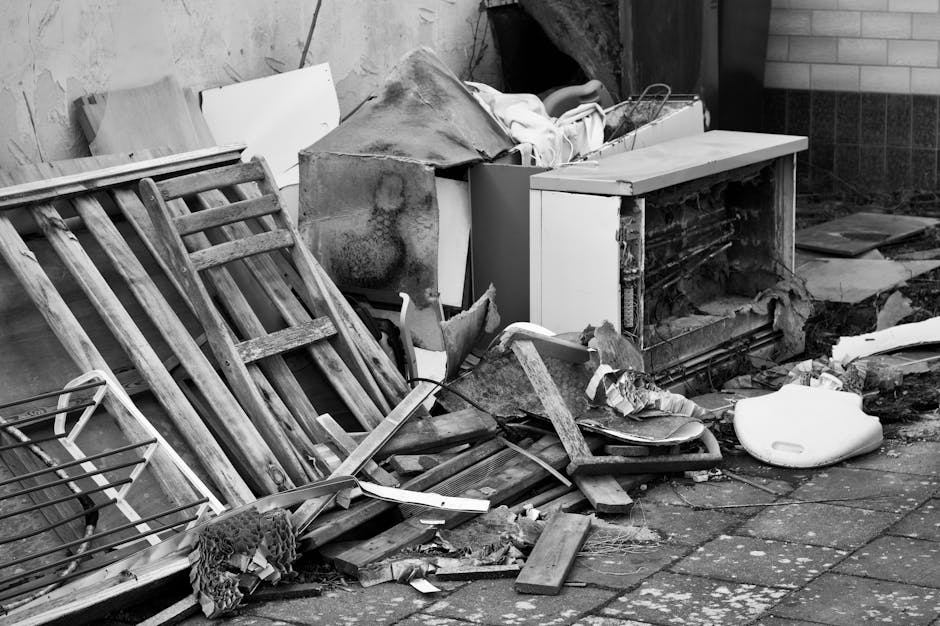
Cranford Park bulky-item collection rules and tips

If you are trying to get rid of a sofa, wardrobe, mattress, broken appliance, or a stack of awkward household items, the rules around bulky-item collection can feel a bit unclear at first. One day you are told to book ahead, the next you are wondering whether an item needs dismantling, bagging, or special handling. That is exactly why this guide to Cranford Park bulky-item collection rules and tips exists: to help you plan properly, avoid common mistakes, and choose the smoothest disposal route for your situation.
In practical terms, bulky-item collection is about removing large items that do not fit into normal waste streams. Done well, it saves time, reduces stress, and keeps unwanted items moving into the correct reuse, recycling, or disposal route. Done badly, it can lead to missed collections, extra charges, or items being left behind. A little preparation goes a long way.
This article breaks down how bulky collections usually work, what to check before booking, how to prepare items safely, and when a professional clearance service may be the more efficient option. If you want a cleaner home, a safer lift-and-carry day, and fewer surprises, you are in the right place.
Why Cranford Park bulky-item collection rules and tips Matters
Bulky-item collection rules matter because large items are not handled like ordinary rubbish. Sofas, bed frames, wardrobes, fridges, garden furniture, and office furniture all come with different handling needs. Some may be reusable, some recyclable, and some require careful disposal because of materials, weights, or contamination.
For residents and businesses near Cranford Park, understanding the basics avoids the most frustrating outcome of all: preparing everything, only to find the item is not eligible or is not ready for uplift. That is especially true with mixed loads. A pile of furniture clearance items is rarely just one thing; it is often a combination of wood, fabric, metal, foam, and fixings that need sorting before removal.
The other reason rules matter is safety. A heavy wardrobe carried badly can damage walls, stair rails, or floors. A fridge left unsecured can become a hazard. Even lighter items can be awkward in tight hallways or flats. If you live in a property with shared access, or you are dealing with a loft, garage, or basement, sensible planning protects both the people doing the lifting and your home.
There is also an environmental side to this. The better a collection is planned, the easier it is to divert items into reuse or recycling routes. That supports responsible recycling and sustainability practices, which is increasingly important for anyone who wants disposal to be both efficient and conscientious.
How Cranford Park bulky-item collection rules and tips Works
While exact arrangements can vary depending on the provider or council route you use, bulky-item collection usually follows the same basic pattern. First, you identify the items you want removed. Then you check whether they are accepted, how they should be presented, and whether any special preparation is needed. After that, you book a slot or request an uplift, prepare the items, and ensure access is clear on collection day.
Most services want bulky items to be easy to inspect and move. That means no loose nails sticking out of a broken bed frame, no hidden contents inside cabinets, and no dangerous contamination mixed in with the load. If the item is dismantled, that often helps. A wardrobe split into panels is usually easier to remove than a complete unit trying to turn a corner in a narrow hallway. Not exactly thrilling, but very practical.
For homes, common bulky items include mattresses, beds, sofas, chests of drawers, bookcases, white goods, exercise equipment, and garden furniture. For workspaces, it might be desks, chairs, filing cabinets, shelving, reception furniture, or general office clear-out items. If your collection is part of a bigger tidy-up, a broader home clearance service or office clearance service can be more efficient than arranging a series of one-off uplifts.
Some items need extra caution. Refrigerators, freezers, televisions, and certain electricals can be subject to separate handling requirements because they contain components that should not simply be treated like standard waste. Similarly, garden clearance waste may include bulky planters, broken outdoor furniture, or timber offcuts that need sorting before collection. If you are not sure, it is always better to ask first than to assume.
Key Benefits and Practical Advantages
Following the right bulky-item process is not just about compliance. It has very real day-to-day advantages.
- Less hassle: You avoid last-minute confusion about what can or cannot be taken.
- Better safety: Clear handling instructions reduce the risk of injury and property damage.
- Cleaner sorting: Items can be separated for reuse, recycling, or disposal more effectively.
- Fewer delays: When items are ready and accessible, collections are usually faster and smoother.
- Better value: A prepared load is often more cost-efficient than a disorganised one.
- More flexible planning: You can link bulky-item uplift with wider clearance work, such as furniture disposal or general waste removal.
There is also a psychological benefit that people often overlook. Clearing big items changes a room quickly. One empty sofa can make a living room feel twice the size. One cleared garage can become usable space again. That sense of momentum is useful, especially when a property has been sitting half-finished for a while.
Who This Is For and When It Makes Sense
Bulky-item collection guidance is useful for a lot of different people, not just households with a spare mattress in the hallway. It is relevant if you are moving home, downsizing, renovating, clearing out a rental, emptying a loft, or replacing furniture after damage or wear.
It also makes sense for landlords, property managers, letting agents, and small businesses. An office refresh, for example, can create a surprising amount of awkward waste: desks, chairs, cabinets, packaging, monitors, and old storage units. In those cases, a targeted business waste removal or flat clearance approach may be better than trying to solve everything piece by piece.
It is especially sensible when:
- an item is too heavy to move safely without help
- you have more than one bulky item to remove
- the item needs dismantling before it can fit through doors or stairs
- you want to keep the job tidy and avoid multiple trips to a disposal point
- you are coordinating around tenants, neighbours, or building access times
For larger projects, consider whether a more comprehensive service is the real answer. A house clearance, garage clearance, or loft clearance can be a better fit if bulky items are only part of a bigger job.
Step-by-Step Guidance
If you want a smooth collection, the preparation matters as much as the booking. Here is a simple, practical process that works well in real life.
- List everything you want removed. Write down each bulky item individually. A sofa, armchair, and coffee table may all be accepted, but not necessarily under the same preparation rules.
- Check the item condition. Broken, damp, contaminated, or partially dismantled items may need extra clarification. If the item has hazardous components, pause and ask before booking.
- Measure the access route. Doorways, stairwells, lifts, tight corners, and parking distance all affect collection speed. This is especially important in flats and converted properties.
- Dismantle where sensible. Remove legs, shelves, doors, or detachable sections if it makes the item safer and easier to move. Keep screws and fittings in a labelled bag if needed.
- Separate reusable and non-reusable items. If some items are in good condition, they may be better suited for reuse rather than disposal.
- Clear a route to the item. Make sure hallways, steps, and entrances are free from trip hazards. Collection teams appreciate a clear path, and so do your walls.
- Confirm what time the item should be ready. Some services want the item outside; others collect from inside the property. Never guess this part.
- Ask about special items. Fridges, mattresses, and upholstered furniture can sometimes follow different handling or charging rules. Check in advance.
- Prepare payment and paperwork. If you are using a professional service, review the quote, scope of work, and any conditions before collection day. A quick look at pricing and quotes information can help you compare options sensibly.
- Be available or have a contact ready. If the team needs access confirmation or a quick decision about an unexpected item, delays are much easier to avoid when someone can answer.
That is the backbone of a reliable collection process. It sounds straightforward because, once planned properly, it usually is.
Expert Tips for Better Results
Small details make a big difference with bulky-item jobs. In our experience, the best results come from thinking one step ahead rather than reacting on the day.
1. Treat bulky items like a route problem, not just a waste problem
The item itself is only half the issue. The question is how it will get out. If a sofa will not pass through a doorway unless turned upright, or a wardrobe needs to be broken down in a bedroom, work that out before collection day. It is a lot easier to plan a safe move than to improvise one in a tight hallway.
2. Group similar materials together where possible
Wooden furniture, metal shelving, and mixed soft furnishings may be handled differently downstream. Grouping like with like makes the process easier for the collection team and can support better recycling outcomes. It is a simple habit that pays off.
3. Photograph awkward items before booking
If something is unusually large, damaged, or partly hidden in storage, a quick photo can help avoid misunderstandings. Photos are especially useful for services dealing with furniture clearance because condition and construction can influence the removal plan.
4. Book around access, not just convenience
Choosing a time when parking is impossible, or when neighbours are all home and using the same narrow entrance, can slow the job down. If access is awkward, a calmer window often beats a perfect-looking calendar slot.
5. Think about the whole room, not only the item
If a single bulky item is the first of several, you may save time by combining it with a broader tidy-up. A one-off uplift can become a more efficient clearance if you also have old boxes, broken small items, or bagged clutter ready to go. For mixed loads, a professional waste removal service may be the more practical route.
Common Mistakes to Avoid
The most common problems are usually easy to prevent.
- Leaving items too late to prepare: If you wait until collection morning to dismantle a bed or empty a cabinet, you are more likely to miss something important.
- Assuming all bulky items are accepted: Not every service takes every item. Specialist waste may need separate handling.
- Blocking access: Bins, bikes, planters, or stacked boxes can make the load harder to collect safely.
- Mixing prohibited waste into the pile: Hidden hazardous items, liquids, or sharp objects can complicate the job and may lead to refusal.
- Not measuring large furniture: A piece that fits in a room may still be impossible to move without dismantling.
- Underestimating time: Collection is often faster than a full clear-out, but awkward access, stairs, or multiple items can still take time.
One subtle mistake is not thinking about where the item goes after collection. Reuse, recycle, refurbish, dispose: those are not interchangeable outcomes. A clear brief helps the service direct the item properly and avoids unnecessary handling.
Tools, Resources and Recommendations
You do not need a warehouse of equipment to handle bulky items well. A few practical tools can make the job safer and less tiring.
- Measuring tape: Essential for doorways, corridors, lifts, and the item itself.
- Work gloves: Useful for grip and basic hand protection when moving awkward edges.
- Screwdriver set or Allen keys: Handy for dismantling furniture.
- Labels or small bags: Great for keeping fixings with the right item.
- Camera phone: Useful for photos if you need to confirm an item or get advice.
- Trolley or dolly: Helpful only where the floor surface and access route make it safe to use.
As a practical next step, it can help to review a provider's support pages before booking. If you are comparing services, the company's about us page can help you understand how they work, while the contact page is useful if you need to ask about access, item types, or timing. For customers who want reassurance around process and responsibility, pages such as health and safety policy and insurance and safety are worth reading.
If your project includes older outdoor items or a mixed yard tidy-up, services like garden clearance can be useful too. And if you are clearing an entire property, not just a few large pieces, the most efficient solution may be one coordinated clearance rather than several separate collections.
Law, Compliance, Standards, or Best Practice
For bulky-item disposal in the UK, the safest approach is to follow recognised waste-handling best practice, use licensed and insured services where appropriate, and avoid handing waste to anyone who cannot explain where it will go. That may sound obvious, but it is worth stating. If a service is vague about disposal routes, documentation, or safety, that is a warning sign.
Householders generally have a duty to take reasonable care that waste is passed to a legitimate carrier and handled properly. Businesses have additional responsibilities because commercial waste is subject to stricter expectations around records, storage, and transfer. If your items come from a workplace, a clear business waste removal process may be more appropriate than a domestic-style uplift.
There are also safety norms that matter even where no special permit is involved. Items should not obstruct public pavements, create trip hazards, or block fire exits. Electrical items should be handled with care, and any load containing potentially hazardous material should be separated and assessed before collection. If you are unsure, ask for clarification rather than guessing.
Best practice is simple: be honest about what you have, prepare it properly, and use a service that is transparent about recycling, pricing, and responsibilities. If a company also explains its recycling and sustainability approach, that is usually a good sign that it takes the process seriously rather than treating everything as a generic load.
Options, Methods, or Comparison Table
There is more than one way to deal with bulky items, and the right option depends on quantity, access, urgency, and condition. Here is a straightforward comparison.
| Method | Best for | Main advantages | Watch out for |
|---|---|---|---|
| Local bulky-item collection | One or a few large household items | Convenient, familiar, often straightforward | Rules may be strict; eligibility can vary |
| Professional clearance service | Multiple items, awkward access, mixed loads | More flexible, often faster, can handle larger jobs | Need to check scope, timing, and quote details |
| Reuse or donation route | Good-condition furniture or appliances | Extends item life, may reduce disposal cost | Items must usually be clean, safe, and acceptable |
| Self-delivery to a facility | Small loads with transport and time available | Direct control over drop-off | Requires lifting, vehicle space, and site rules |
If you are comparing methods, think honestly about your time and the item's condition. A sofa that is heavy but intact may be simple for a two-person team, while a broken wardrobe with sharp edges might be more hassle than it first appears. The cheapest option on paper is not always the cheapest in practice if it involves extra trips, injury risk, or wasted time.
Case Study or Real-World Example
Consider a typical Cranford Park household clearing out a spare room after a long-overdue renovation. The room contains an old double bed, a bedside table, a chest of drawers, an office chair, and a broken bookcase. The homeowner first assumes a single bulky collection will cover everything. After checking each item, they realise the bookcase needs dismantling and the bed frame is too large to move as a whole.
Rather than forcing the issue, they measure the doorway, remove the mattress, label screws, and clear a path through the hallway. They also separate a small desk lamp and a few bagged items to include in a wider clearance. Because the access route is ready and the items are organised, the collection goes quickly and without damage.
That is the pattern you want: identify the awkward parts early, prepare the room, and avoid last-minute scrambling. If the homeowner had left everything in one heap, the removal would likely have taken longer and felt much more stressful. A bit of method turns a difficult job into a manageable one.
Practical Checklist
Use this quick checklist before collection day.
- Have I listed every bulky item individually?
- Do I know whether each item is accepted?
- Have I measured doors, stairs, and access points?
- Have I dismantled anything that will not fit safely through the route?
- Have I removed contents from cupboards, drawers, or shelves?
- Have I separated reusable items from waste?
- Is the collection route clear of trip hazards?
- Do I know whether items should be left inside or outside?
- Have I checked for special handling needs for electricals or upholstered items?
- Have I confirmed the booking details and any pricing conditions?
If you can tick off most of these points, you are probably in good shape. If not, take ten minutes and sort the gaps now. Future-you will be grateful.
Conclusion
The smartest way to handle Cranford Park bulky-item collection rules and tips is to treat the process as a small project rather than a rushed errand. Check what is accepted, prepare items properly, think about access, and choose the most suitable removal route for the load you actually have. That approach saves time, reduces risk, and usually leads to a much smoother result.
Whether you are getting rid of a single sofa or coordinating a fuller property clearance, a little structure makes the whole job easier. And if the job is bigger than expected, that is not a failure; it is just a sign that a more complete service might be better.
Get a free quote today and see how much you can save.
Frequently Asked Questions
What counts as a bulky item in Cranford Park?
Usually, a bulky item is anything too large, heavy, or awkward for normal household waste collection. That often includes sofas, beds, wardrobes, mattresses, tables, and large appliances.
Do I need to dismantle furniture before collection?
Not always, but dismantling can make collection safer and easier. If an item will not fit through doors or tight corridors, taking it apart is often the best option.
Can bulky-item collection take mattresses and sofas?
Often yes, but these items may have specific handling rules because of their size, materials, or condition. Always confirm before the collection date.
What should I do with broken or damaged items?
Broken items can often still be collected, but it helps to remove sharp edges, loose parts, and anything that could make handling unsafe. If the item is badly contaminated or hazardous, ask for guidance first.
How should I prepare items for a collection day?
Make items accessible, empty drawers and cupboards, dismantle where needed, and clear a safe path to the exit. The easier the route, the smoother the uplift.
Is bulky-item collection better than hiring a skip?
It depends on the job. Bulky-item collection suits a few large pieces, while a skip can work better for mixed waste or ongoing renovation debris. If you are unsure, compare the job size and access constraints.
Can I include electrical items in a bulky collection?
Sometimes yes, but electricals may need to be handled separately depending on the item type and service rules. Fridges, freezers, and TVs often need extra attention.
How do I avoid extra charges?
Be accurate about the number and type of items, prepare them properly, and check whether special items require separate handling. Surprises on the day are usually what cause costs to rise.
What if I live in a flat or shared building?
Plan access carefully. Lift use, stairwells, parking, and shared entrances can all affect collection timing. Flat residents often benefit from booking a service that understands awkward access, such as a flat clearance style job.
Should reusable furniture be thrown away?
Not if it can be avoided. Good-condition items may be suitable for reuse, resale, or donation. That is usually better for the environment and can reduce the amount of waste that needs final disposal.
How do I know if a collection service is trustworthy?
Look for clear pricing, proper contact details, visible safety information, and a sensible explanation of how items are handled. Trustworthy services are usually transparent rather than vague.
Can bulky-item collection be combined with a larger clearance?
Yes, and that is often the most efficient route. If you have several rooms or spaces involved, a combined clearance can save time and reduce repeated handling.
Where can I ask about a specific item before booking?
You can contact the provider directly through their contact page and ask for item-specific guidance. A quick question now is better than a collection delay later.