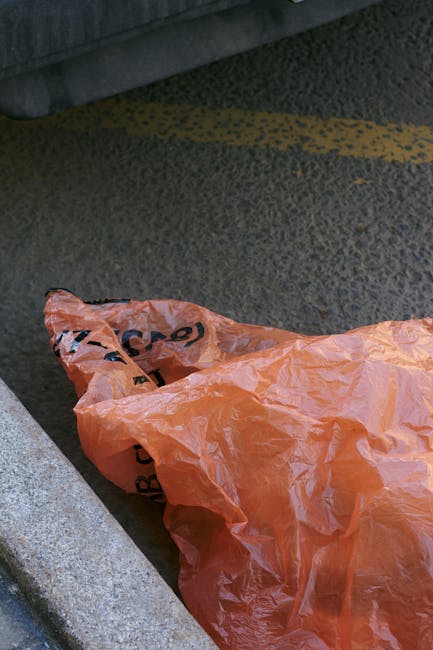
Avoid fines: Cranford fly-tipping laws and reporting
If you have ever walked past a dumped mattress, a black bag pile, or broken furniture left on a quiet Cranford street and thought, "Who deals with that now?", you are already asking the right question. Avoid fines: Cranford fly-tipping laws and reporting is not just about tidying up an eyesore. It is about knowing what counts as fly-tipping, what your responsibilities are, how to report it properly, and how to avoid accidentally landing yourself with a penalty because waste was handled badly.
Truth be told, most people do not set out to break waste rules. The problems usually start with a rushed decision: a bargain clearance offer that sounds too good, a neighbour leaving bags beside the wrong bin, or a business assuming "someone else will sort it out". This guide breaks everything down in plain English, so you can act quickly, stay compliant, and make sure waste goes where it should. If you need broader help with responsible disposal, the information on waste removal and recycling and sustainability is a sensible place to start.
Quick expert summary: Fly-tipping is unlawful dumping of waste, and in practice the safest response is simple: do not move, handle, or pay a random operator without checking legitimacy. Report the incident through the proper local route, keep a record of what you saw, and only use waste services that can explain collection, transport, and disposal clearly. A little caution now can save a lot of hassle later. Quite a lot, actually.
Table of Contents
- Why Avoid fines: Cranford fly-tipping laws and reporting matters
- How it works
- Key benefits and practical advantages
- Who this is for and when it makes sense
- Step-by-step guidance
- Expert tips for better results
- Common mistakes to avoid
- Tools, resources and recommendations
- Law, compliance, standards, or best practice
- Options, methods, or comparison table
- Case study or real-world example
- Practical checklist
- Conclusion
- Frequently asked questions
Why Avoid fines: Cranford fly-tipping laws and reporting Matters
Fly-tipping affects everyone nearby, not only the person who dumped the waste. In a place like Cranford, a single pile of rubbish can block pavements, attract pests, create trip hazards, and make a street feel neglected within hours. You can smell it before you see it sometimes, especially in warmer weather or after rain, and nobody wants that outside their home or business.
The legal side matters too. Fly-tipping laws exist to stop waste from being abandoned in public or private places without permission. That includes items left on roads, verges, alleys, and land where the owner has not agreed to the dumping. The reporting side matters because the quicker an incident is flagged, the easier it is for the relevant authority or landowner to deal with it, and the less likely it is that the waste spreads or becomes a repeat problem.
There is also a very practical angle here: if you hire the wrong person to remove waste and they dump it illegally, you may end up dealing with questions about the source of that waste. That is the part people often miss. It sounds unfair, but waste duty of care is taken seriously in the UK, and "I thought they were legitimate" is not always enough on its own. A quick check before collection can save a long headache later.
For households, landlords, tradespeople, and local businesses, the biggest benefit of understanding the rules is confidence. You know what to do when a sofa appears on a kerb, when builders' rubble turns up in a service lane, or when an empty office gets cluttered with unwanted items. That calm, practical response is what keeps things moving.
How Avoid fines: Cranford fly-tipping laws and reporting Works
At its simplest, fly-tipping enforcement works on three levels: identifying the waste, finding who is responsible, and arranging removal or investigation. If the dumped material is on public land, the local authority usually coordinates the response. If it is on private land, the landowner or managing agent may need to act, sometimes with support from the council depending on the circumstances.
Reporting usually starts with the basics: location, type of waste, whether it is blocking access, and whether there are any signs of who left it there. In real life, that could mean a photo taken from a safe distance, a note of the road name, or a brief description of the time you noticed it. No drama required. Just useful facts.
What happens next depends on the situation. Some incidents are straightforward clean-ups. Others become evidence-led cases if there are labels, addresses, business names, or vehicle details. The cleaner and more accurate your report, the more useful it is. That is especially true when the waste looks recent, because fresh evidence tends to speak for itself.
It is worth separating fly-tipping from other waste problems. An overflowing bin, a missed collection, or household items waiting for arranged pickup are not the same thing as unlawful dumping. The law is concerned with abandonment and unauthorised disposal, not every messy corner. That distinction matters when you are deciding whether to report something or simply arrange normal clearance.
Key Benefits and Practical Advantages
Understanding the rules around Cranford fly-tipping gives you more than legal peace of mind. It helps you make better choices about waste removal, especially when you are comparing costs or arranging clearance in a hurry. To be fair, that is when mistakes are most common.
- Lower risk of fines: You are less likely to use an unlicensed or careless operator.
- Faster response: You can report the issue in a clear, factual way rather than scrambling for details later.
- Better property protection: Landlords and managers can act before waste becomes a nuisance or a bigger cleanup job.
- Stronger duty of care: Businesses can show they have taken reasonable steps when disposing of waste.
- Cleaner local environment: Reports made properly help prevent repeat dumping in the same spot.
There is a quiet business benefit too. For companies in Cranford, keeping disposal practices tidy supports customer confidence. Nobody wants to discover that office waste, shop stock, or renovation debris was dumped irresponsibly after the fact. If you need a more structured service for business premises, the page on business waste removal explains the sort of support that helps reduce risk.
And yes, there is convenience in this as well. When you know the rules, you stop second-guessing every pile of unwanted stuff. You can decide whether an item needs reporting, arranging for clearance, or simply taking to the right collection route. Simple. Not always easy, but simple.
Who This Is For and When It Makes Sense
This topic matters to more people than you might expect. Homeowners, tenants, landlords, agents, shop owners, builders, office managers, and even one-off sellers all bump into waste issues eventually. If you live or work in Cranford, the chances are you have already seen something that made you pause.
It is especially useful if you are:
- moving house and clearing unwanted furniture
- dealing with a loft, garage, garden, or shed full of old items
- running a business that creates regular waste
- managing a property where tenants leave items behind
- handling builders' rubble, packaging, or renovation debris
- trying to report illegal dumping without making the situation worse
Sometimes the issue is obvious. A mattress dumped by a hedge, for instance, is clear fly-tipping. Other times it is less obvious. A pile of bags beside a bin may be a collection timing problem, or it may be abandonment. The context matters. If you are unsure, take a cautious approach and record what you can before moving anything.
For larger clearances, it can also make sense to think about the type of waste first. Furniture, garden waste, and office items each bring different handling needs. Services such as furniture disposal, garden clearance, and office clearance are useful references if your problem is more organised removal than illegal dumping. That distinction saves time and avoids crossing wires.
Step-by-Step Guidance
If you need to deal with a fly-tipping incident in Cranford, a calm process works best. No need to overcomplicate it. Here is the practical route.
- Check whether it is actually fly-tipping. Ask yourself if the waste appears abandoned without permission. A scheduled bin issue is different from dumped rubbish.
- Stay safe. Do not touch sharp, hazardous, or unknown materials. Broken glass, needles, chemicals, and damp waste are not worth the risk.
- Record the details. Note the location, date, approximate time, type of waste, and any identifying marks such as labels, receipts, or vehicle details. A quick photo can help, but only if it is safe to take one.
- Report it through the proper route. Use the relevant local reporting channel or property manager route, depending on whether the waste is on public or private land.
- Keep a copy of your report. This is useful if the waste stays in place, worsens, or comes back again. Nobody wants to start from zero twice.
- Arrange lawful clearance if it is your responsibility. If the waste is on your property, choose a responsible clearance solution rather than a cheap fix that looks good for ten minutes.
- Review what caused the problem. If the dumping was linked to poor storage, insecure bins, or careless contractors, fix the root cause as well as the mess.
For households dealing with multiple rooms or a full property, it can help to break things down by area. A heavy loft, a cluttered garage, or a full family home needs a different plan from a single dumped item. That is where pages like loft clearance, garage clearance, and house clearance can be useful in shaping the next step.
Expert Tips for Better Results
In our experience, the people who avoid trouble tend to do a few small things consistently. Nothing flashy. Just sensible habits that reduce guesswork and waste-related stress.
1) Get the paperwork mindset right. Even if you are only clearing one room, keep notes of who collected what and when. If a clearance provider cannot explain their process clearly, that is a yellow flag. Not always a deal-breaker, but definitely worth noticing.
2) Separate "messy" from "illegal". A cluttered front garden or a pile of bagged rubbish waiting for collection is not automatically fly-tipping. Save your reporting energy for actual unlawful dumping. It sounds obvious, yet people do mix these up.
3) Think about access and timing. A waste pile left on a narrow road near school run time is more urgent than one tucked away behind a fenced service yard. The setting changes the risk.
4) Avoid the too-good-to-be-true price. A very cheap clearance quote can hide poor disposal practices. If an operator skips the explanation about where waste goes, ask more questions. Then ask one more.
5) Use proper disposal pathways for predictable waste streams. Builders' rubble, office clutter, and old furniture usually have better and safer routes than ad hoc dumping. For building projects, builders waste clearance is a better fit than improvising.
Expert note: The safest waste decisions are usually the boring ones. Proper collection, clear communication, and written confirmation are not exciting, but they save a lot of trouble. Rather dull, yes. Very effective though.
Common Mistakes to Avoid
Most fly-tipping headaches come from a handful of avoidable mistakes. If you steer clear of these, you are already ahead of the game.
- Moving the waste before documenting it: Once the evidence is disturbed, it is harder to prove what happened.
- Hiring unverified clearance help: A cheap van and a friendly tone are not proof of lawful disposal.
- Assuming all dumped waste is the council's problem: Private land often needs a different response.
- Leaving builders' waste unsecured: Loose debris, bags, and packaging can spread quickly.
- Ignoring repeat dumping: If it happens once in the same spot, there may be a pattern worth addressing.
- Failing to ask for disposal details: If nobody can explain where the waste is going, that is not a good sign.
- Reporting with vague details: "There's rubbish somewhere near Cranford" is not especially helpful. Exactness matters.
One mistake people rarely think about is poor timing. Let a problem sit for a week and it becomes harder to trace, harder to remove, and more likely to invite more dumping. A small pile can become a mound. A mound becomes a nuisance. Then suddenly you are dealing with complaints. It escalates fast.
Tools, Resources and Recommendations
You do not need a giant toolkit to manage fly-tipping properly, but a few basics make life easier. Keep them simple and practical.
- Phone camera: Use it to capture location and condition, but do not put yourself at risk for a photo.
- Notes app or paper log: Record date, time, description, and any reference numbers.
- Bin and site checks: For landlords, managers, and businesses, a quick walk-round can spot access issues early.
- Clearance planning: If waste is expected, book a lawful collection before it becomes a problem.
- Property records: Useful if you need to show what was present and when, especially after tenant moves or renovation work.
When you are comparing services, a transparent pricing page helps you judge value properly. The page on pricing and quotes is a good example of the sort of information people look for before they commit. You may also want to review insurance and safety so you understand what responsible handling looks like in practice.
If your concern is less about a one-off pile and more about regular waste pressure, the right ongoing setup matters. Offices, shops, and premises with steady turnover should look at routine solutions rather than waiting for the next mess to appear. That is just common sense, really.
Law, Compliance, Standards, or Best Practice
Fly-tipping sits within wider waste compliance expectations in the UK. The exact legal process can vary depending on whether the waste is on public or private land, the type of material involved, and whether there is evidence pointing to the source. That is why cautious wording and careful reporting are so important.
For businesses, the key principle is duty of care. In plain English, that means you should take reasonable steps to make sure your waste is handled properly, transferred to a legitimate collector, and disposed of lawfully. Keep records where appropriate and do not hand waste to people who cannot explain their process.
For households, the best practice is simpler but still important: use approved disposal routes, check that anyone removing waste seems legitimate, and avoid leaving items where others can easily pick them up and dump them elsewhere. If you are getting rid of mixed household items, services such as home clearance and flat clearance can help keep things orderly.
Compliance is not only about avoiding fines. It is also about reducing harm to the community, protecting your own property, and showing that you acted responsibly if questions arise later. That part matters more than people expect. Especially when a situation gets messy and everyone wants a neat answer quickly.
Options, Methods, or Comparison Table
When you are dealing with waste in Cranford, you usually have a few options. The best one depends on what the waste is, where it is, and how quickly it needs to go. Here is a simple comparison.
| Option | Best for | Advantages | Watch-outs |
|---|---|---|---|
| Report fly-tipping only | Unauthorised dumping on public or private land | Creates a record and triggers the right response | Does not remove the waste by itself |
| Arrange lawful clearance | Waste on your property or waste you are responsible for | Fast, practical, and tidy | You must choose a reputable provider |
| Reuse or donate suitable items | Usable furniture or office items | Can reduce disposal volume | Only works for items still in usable condition |
| Mixed waste removal | General household, office, or renovation clear-outs | Convenient for larger jobs | Needs clear sorting and responsible handling |
For furniture-heavy jobs, consider the difference between keeping, moving, and discarding items carefully. A service such as furniture clearance may suit a home or office where the goal is to clear space cleanly rather than simply dump items at the roadside. The same logic applies to waste streams that need a bit of sorting before collection.
Case Study or Real-World Example
Picture a small Cranford terrace after a tenant move-out. In the front passage, there is a broken wardrobe, a sagging chair, two bags of mixed rubbish, and a pile of cardboard leaning against the wall. Nothing dramatic. Just enough to make the place look neglected.
The landlord notices on a Monday morning. Rather than moving everything around immediately, they take photos, check whether anything has identifying information, and note the time. They then report the dumping through the proper route and arrange a lawful clearance for the items on their property. Because they recorded the situation first, they have a clear account if the tenant disputes responsibility later.
Now compare that with a less careful version. Someone drags the bags around, discards the labels, and hires the cheapest van available from a flyer shoved through the door. The waste disappears for a week and then reappears on a nearby layby. The landlord is left trying to explain what happened, and that conversation is not a fun one. A little care at the start really does make the difference.
That same pattern turns up with offices too. A business empties storage cupboards, leaves a few boxes by the loading bay, and assumes they will be picked up later. Then weather, access issues, or a change of staff turns a tidy plan into an ugly problem. If it starts to feel like that, a proper commercial approach through business waste removal is usually the safer route.
Practical Checklist
Use this quick checklist whenever you spot possible fly-tipping or are preparing to remove waste responsibly.
- Have I checked whether this is actually abandoned waste?
- Is the area safe to approach, or should I keep back?
- Have I recorded the location, time, and general condition?
- Do I know whether the waste is on public or private land?
- Have I noted any names, labels, vehicle details, or other clues?
- Have I reported the issue through the proper route if needed?
- Am I avoiding unverified removal offers or suspiciously low quotes?
- Do I need a lawful clearance service for items on my property?
- Would a specialised clearance option fit the waste type better?
- Have I kept a record of what I did, just in case?
If you are dealing with a broader property clearance, it may also help to review the wider service pages on garage clearance, loft clearance, and home clearance so you can choose the right route for the job rather than piecing it together in a rush.
Conclusion
Avoiding fines in Cranford is mostly about acting early, recording details properly, and using lawful waste routes instead of shortcuts that look convenient but create risk. Fly-tipping is frustrating, but it becomes far easier to deal with when you know the difference between reporting, removal, and responsible disposal. That clarity saves time, money, and a lot of stress.
If you remember just one thing, let it be this: do not ignore dumped waste, but do not rush into handling it blindly either. A careful report, a sensible plan, and a legitimate clearance option go a long way. Honestly, that is usually enough to keep things under control.
Get a free quote today and see how much you can save.
If you want to understand the team behind the service and how they work, the about us page is a useful next stop, and if you are ready to talk through a specific clearance or reporting concern, you can use the contact us page.
Frequently Asked Questions
What counts as fly-tipping in Cranford?
Fly-tipping is the unlawful dumping of waste on land without permission. That includes bags, furniture, rubble, appliances, and mixed rubbish left where it should not be. The key issue is unauthorised disposal, not simply that something looks untidy.
Who should I report fly-tipping to?
That depends on whether the waste is on public or private land. Public land is usually handled through the relevant local reporting route, while private land may need the landowner, landlord, or managing agent to act as well. If in doubt, document the issue first and then report it through the proper channel.
Can I move fly-tipped waste myself?
Not if it is unsafe or could damage evidence. If the material is hazardous, sharp, or heavy, leave it alone and report it. If you own the land and need to clear it, take photos first and make sure any disposal is lawful and traceable.
Will I get fined if someone else dumps waste near my property?
Not automatically, no. But you may still need to show that you have acted responsibly, especially if waste was generated from your property or business. That is why records matter. They prove what you knew, when you knew it, and what you did next.
How can I avoid using an illegal waste collector?
Ask clear questions before booking: what will be collected, how it will be handled, and where it will go. Be cautious of vague answers or cash-only offers with no explanation. A legitimate operator should be able to explain the process in plain English.
What evidence helps when reporting fly-tipping?
Useful details include the exact location, time noticed, photos from a safe distance, vehicle registration if seen, labels, receipts, and any identifying marks on the waste. Even small clues can help, especially if the dumping looks recent.
Is leaving rubbish beside a bin the same as fly-tipping?
Not always. Sometimes it is a collection issue or a mistake with bin use. Other times it is clearly abandonment. The context matters, and that is why it helps to note whether the waste appears linked to a missed pickup or to deliberate dumping.
What should businesses in Cranford do differently?
Businesses should treat waste handling as part of normal compliance, not an afterthought. Use proper contractors, keep records where needed, and make sure staff know not to leave items in unsecured areas. For ongoing disposal needs, structured services are usually the safer option.
Can fly-tipping happen on private land?
Yes, it can. Private land is not immune. In fact, empty lots, car parks, side access areas, and back alleys are common targets because they are easy to reach. Private landowners often need to act quickly to stop repeat dumping.
What if the dumped waste includes hazardous materials?
Do not touch it. Keep people away and report it as a safety issue. Hazardous waste needs extra caution because it can create health risks as well as legal and environmental problems. Better safe than sorry, as the old line goes.
How do I choose the right clearance service?
Look for clear pricing, sensible safety information, and a straightforward explanation of what happens to the waste. If you are clearing a home, office, garage, or garden, match the service to the job rather than guessing. The right fit usually makes the whole thing easier.
Why does fly-tipping reporting matter if the waste is already there?
Because reporting creates the record that helps people act. It can support clean-up, investigation, and prevention of repeat dumping. It also shows that you did not just walk past and hope for the best, which, let's face it, is what causes problems to linger.
One final thought: waste problems are annoying, but they are manageable. The quicker you act, the easier they stay. And that is a relief worth having.